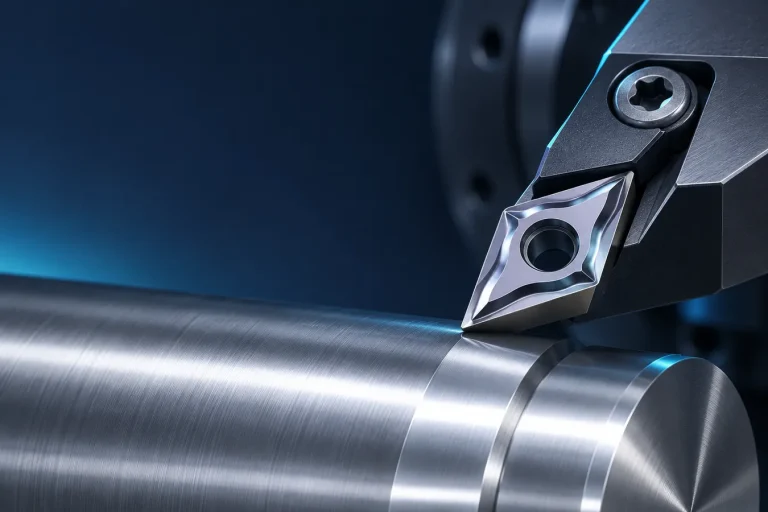
Stainless steel turning inserts: a 7-step selection guide
Start stainless turning insert selection with the exact work material and cut stability, then match geometry, grade, chipbreaker and the real machine setup.
Read the guide Anoush ZAMANOUSH ZAM · INDUSTRIAL
Choose with more clarity by understanding the tool and its working conditions.
ANOUSH ZAM / TECHNICAL NOTES
From measurement and cutting tools to pneumatic equipment and power-transmission components, these guides help you ask clearer technical questions and prepare a more precise enquiry.
Start stainless turning insert selection with the exact work material and cut stability, then match geometry, grade, chipbreaker and the real machine setup.
Read the guide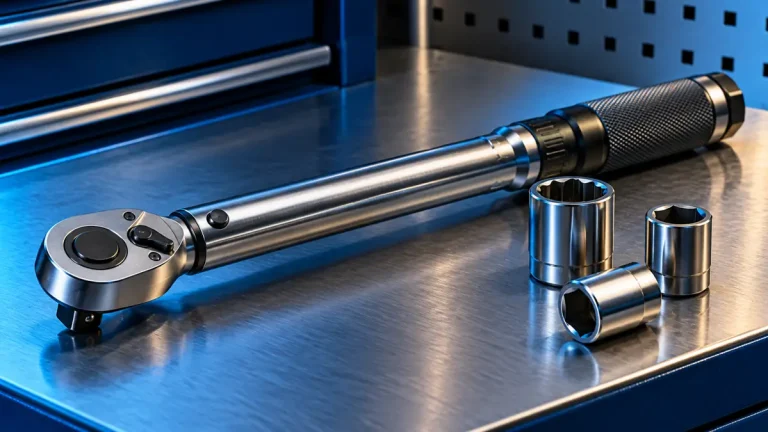
Choose a torque wrench by defining target torque, working range, drive type, access and calibration traceability. Follow the operating and storage instructions for the specific model.
Read the guide
Start robotic welding selection with the part drawing and process. Review reach, tooling payload, welding source, torch, wire feeder, fixtures and safety as one integrated cell.
Read the guide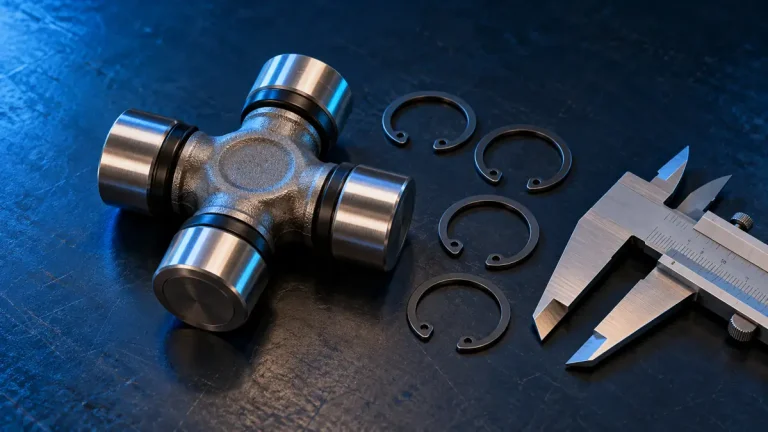
Select a driveshaft U-joint by measuring bearing-cap diameter, overall span, yoke shape and retaining style. Check the part number alongside dimensions; a vehicle name alone is not enough.
Read the guide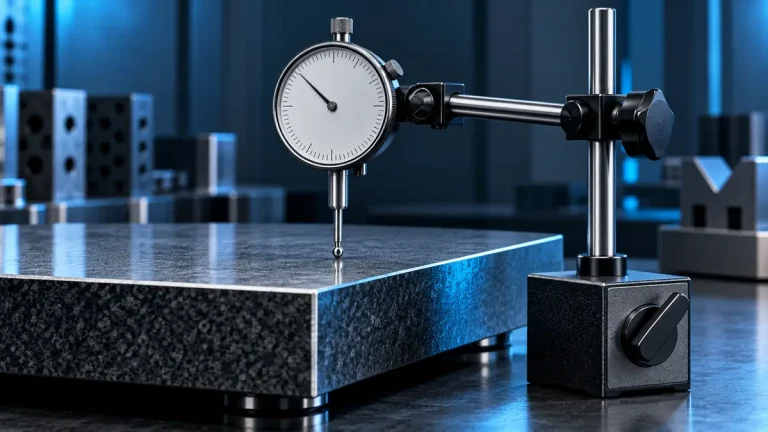
Select a dial indicator and magnetic stand by checking measuring range, resolution, contact type, stand rigidity and probe angle. Use this setup and enquiry checklist for repeatable measurement.
Read the guide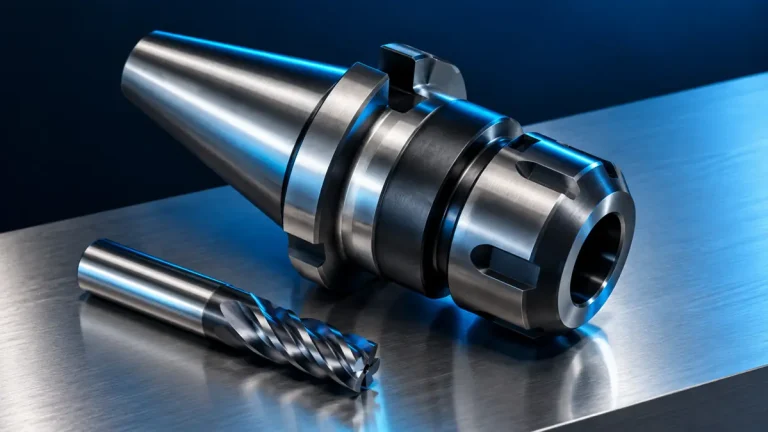
Choose a CNC toolholder by checking the spindle interface, shank diameter, clamping method, projection and assembled runout together. This checklist helps define a compatible holder before requesting a quotation.
Read the guide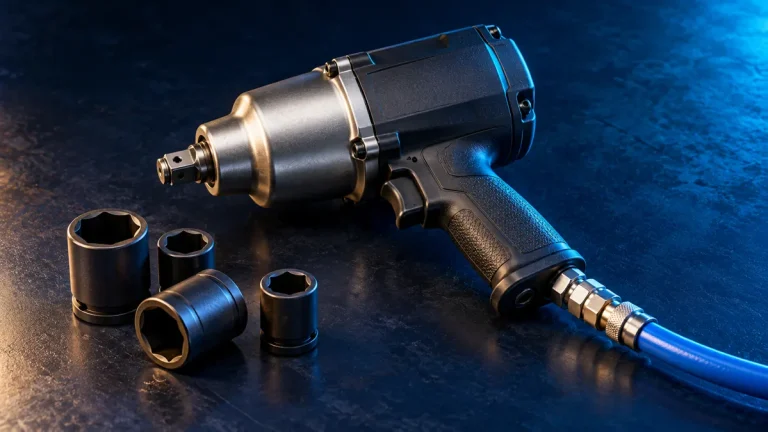
Assess drive, torque, air consumption and the supply route together, without guessing model specifications or prescribing one hose and pressure for every wrench.
Read the guide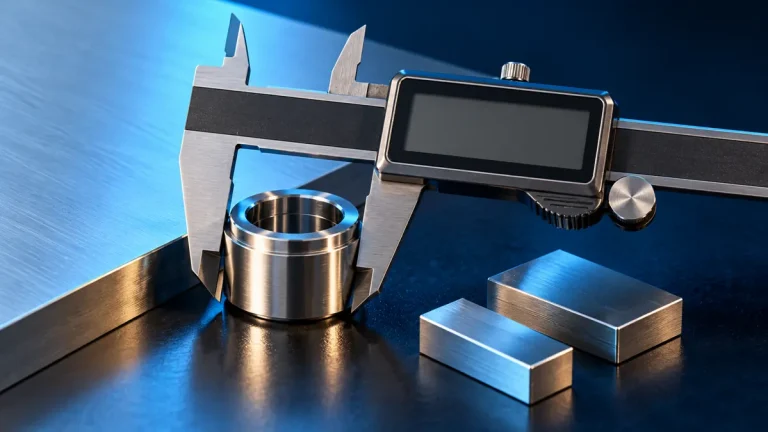
A 0.01 mm display does not establish accuracy. Check the application, error limits, zero condition and calibration documentation before choosing a caliper.
Read the guide
Compare cutting materials for aluminium, hardened steel and mixed production, with attention to grades, operating conditions and cost per acceptable component.
Read the guideUnderstand CNMG120408, distinguish size codes from actual dimensions and prepare the information needed to select a grade and chipbreaker.
Read the guide
A practical way to match workpiece material, flute count, geometry, reach and cutting data before requesting an end mill.
Read the guideShare your application, model or required specification to make the sourcing review more focused.
These industrial tool guides help you understand specifications and prepare clearer questions before ordering. Explore metrology, machining, pneumatic tools and transmission components, then verify final specifications against the exact model datasheet.
Reference for testing and calibration laboratory requirements: ISO/IEC 17025