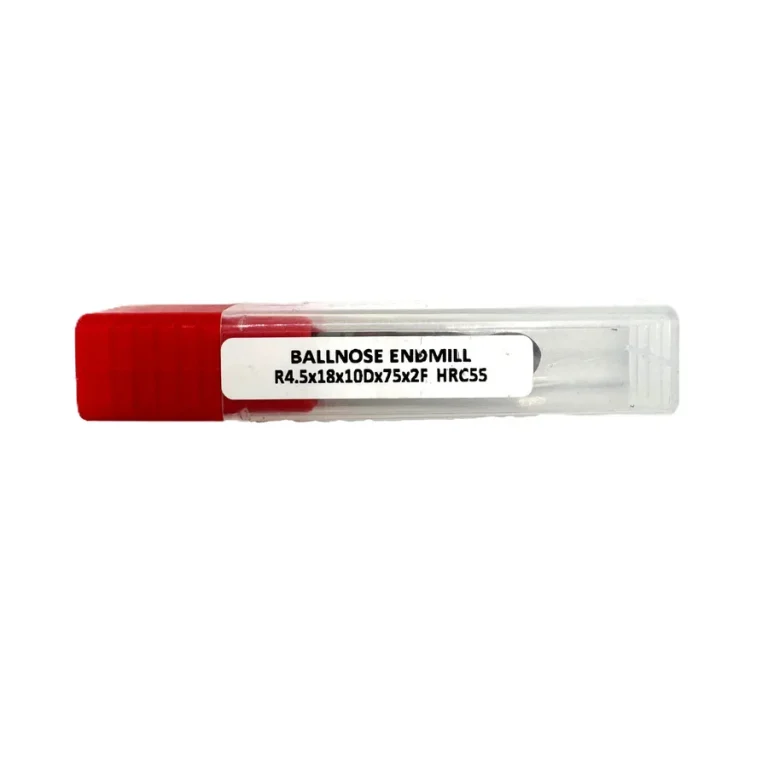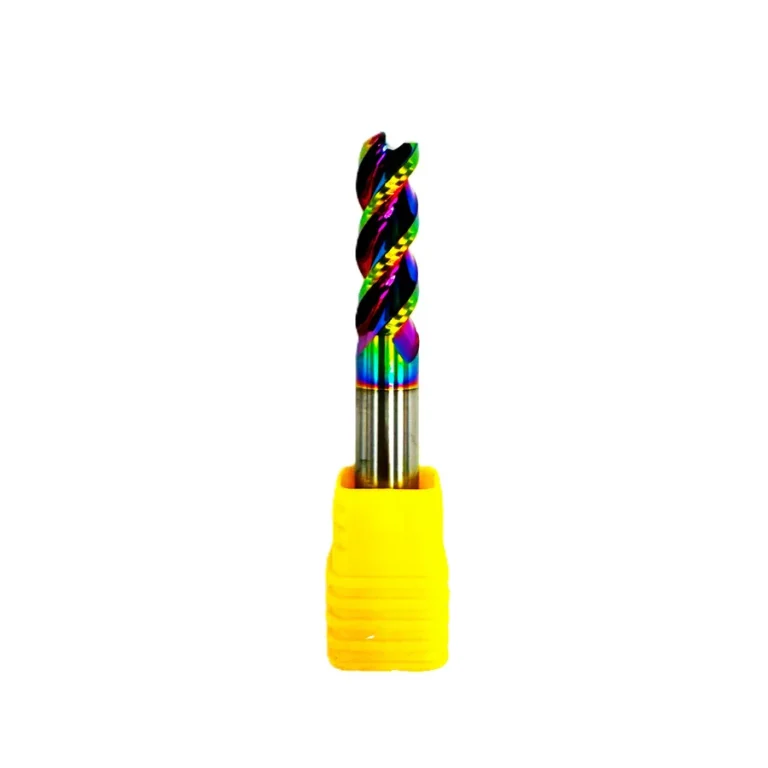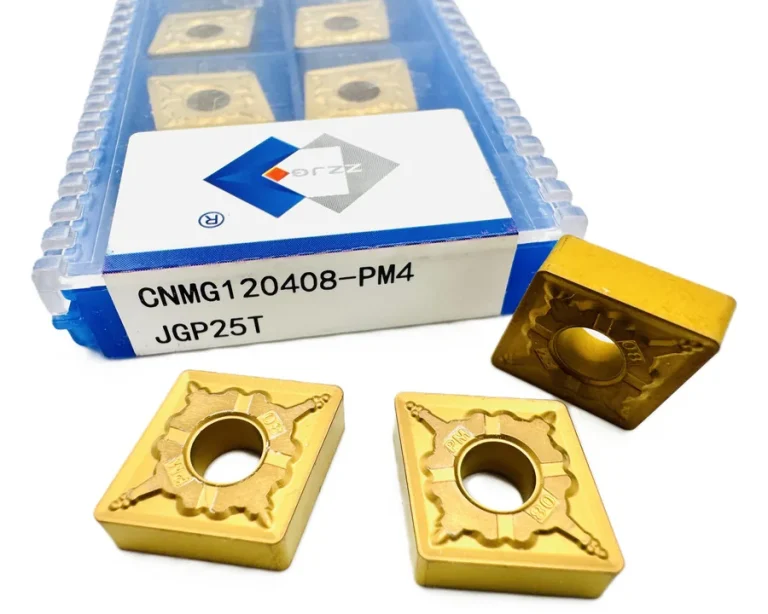

An end-mill enquiry is not complete with “10 mm, four flutes.” Two tools of the same diameter may be designed for different workpiece materials and toolpaths. A useful selection connects the drawing, machine capability and actual workholding. Before comparing prices, prepare a short application sheet; it reduces the chance of buying a tool that only looks suitable.
Identify the material and operation first
Record the exact alloy, hardness after heat treatment and initial surface condition. “Steel” or “aluminium” is not enough to select a grade. Then specify whether the task is full slotting, side milling, pocket roughing or finishing a three-dimensional surface. Slot width, depth and tool access affect the method and cutter family; Sandvik’s slot-milling guide explains these application differences.
| Question before selection | Information to record |
|---|---|
| What are you machining? | Alloy grade, hardness, coating or initial skin |
| What shape are you producing? | Drawing, corner radius, depth and entry access |
| What limits the machine? | Speed, power, holder and workholding quality |
| What counts as an acceptable result? | Tolerance, surface finish, batch size and time allowance |
Match the geometry to the finished feature
Do not automatically substitute one tip geometry for another when machining a flat floor, a radiused corner or a shaped surface. Tool radius must suit the drawing and programmed path. A larger diameter is not always better: check corner access, chip-clearance space and possible body contact with the wall. Ramping, helical-entry and centre-cutting capabilities must be confirmed for the particular tool; “end mill” alone does not guarantee them.
Choose flute count together with the toolpath
Flute count affects chip space and the usable feed. Seco explains that fewer flutes provide more chip-formation space and that selection needs a balance between radial engagement and feed. “More flutes always means faster” is therefore incomplete. See the technical explanation in Seco’s optimized-roughing guide.
Do not prescribe one flute count for every aluminium job either. The two- and three-flute tools, alongside five-flute versions for dynamic strategies in Seco’s aluminium end-mill family, show why geometry, chip evacuation and machining method belong together. These examples do not mean that any five-flute tool suits every aluminium slot.
Separate necessary reach from excess length
Record access depth, cutting length and projection from the holder separately. If a long tool is necessary, show why on the drawing. When selecting the holder, consider more than shank diameter: collet condition, clean contact surfaces and assembly runout affect the result. Before changing tool brands, inspect this assembly and the way the workpiece is clamped.
Start with cutting data for the actual grade
In metric units, spindle speed follows n = 1000 × vc ÷ (π × Dcap) and table feed follows vf = fz × n × z_eff. The units of n, vc, Dcap, vf and fz are respectively rpm, m/min, mm, mm/min and mm/tooth; z_eff is the effective tooth count. For a ball-nose tool, effective diameter depends on cutting depth. See Sandvik’s definitions. Select appropriate vc and fz from that grade’s guidance for the actual material and engagement; the formulas do not choose them.
Before purchase and the first cut
- Match the full tool code, grade and coating to the quotation.
- Check tool and holder speed limits and clamping instructions.
- Check the programmed path, radius compensation and collision clearance.
- Choose lubrication and chip removal according to manufacturer guidance.
- Run a controlled initial trial and record results and wear.
Short answers
Does a four-flute end mill suit every steel?
No. Material, hardness, geometry, grade and operation also matter. A generic name or flute count does not replace the manufacturer’s application range.
Should I replace the tool first if the finish deteriorates?
First record the symptoms: where vibration occurs, edge condition, runout, workholding and chip evacuation. Changing several factors together makes the cause harder to identify.
Compare the CNC tools in this catalog. To request an end mill for your application, send the workpiece grade, drawing or dimensions, operation and machine details.
Technical references
Manufacturer references for the points discussed; product selection still requires the current data for the exact tool.
- Sandvik Coromant — Groove or slot milling
- Seco Tools — Optimized Roughing
- Seco Tools — Solid End Mills for Aluminum
- Sandvik Coromant — Milling formulas and definitions
Practical selection checks
Record material, hardness, slot geometry, reach, holder and machine limits. Check the complete model code and allowed toolpath in its datasheet. Run a controlled trial, changing one variable at a time, and record part quality and tool condition.
Browse the industrial tool catalog or send a technical enquiry.
Additional selection checks
For an end mill, record the workpiece alloy and hardness, slot geometry, reach, holder, tool code and machine limits. Check the exact tool datasheet. Change one variable at a time in trials and document the result.
Browse the industrial tool catalog or send a technical enquiry with the exact code and application.
Use this guide for initial understanding and comparison. For operating limits, safety and exact settings, follow the manual and datasheet for the specific tool model and your workplace procedures.