CNC tooling advice starts with the part and process, not a product name. Share the material, operation, machine and tool code so a supplier can review fit and availability without guessing.
What useful tooling advice should clarify
A useful recommendation distinguishes confirmed facts from assumptions. It should identify the exact insert, cutter or holder code; explain which application details still need verification; and state the quotation scope, stock status and delivery estimate for the requested item.
Prepare the information before requesting a quote
- Workpiece material number and condition, where available
- Operation: roughing, finishing, grooving, drilling or milling
- Machine, spindle interface, holder and clamping details
- Part drawing or critical dimensions, with revision
- Quantity, timing and measurable acceptance criteria
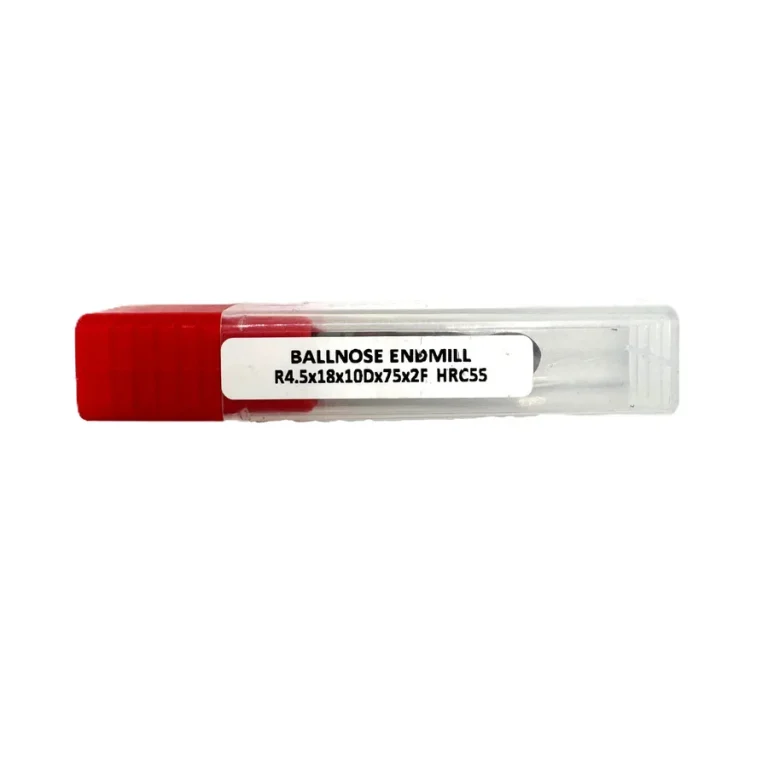
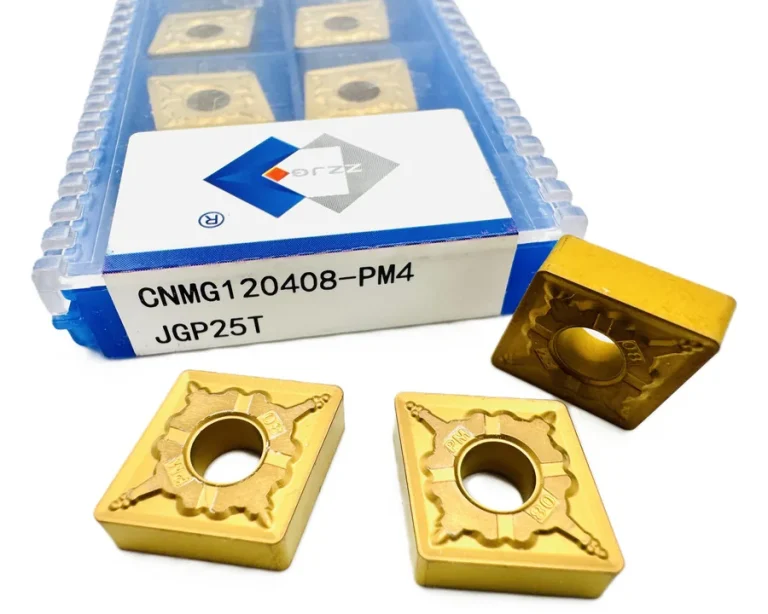
Clear photos of the tool marking and package can help identify a code, but they do not replace dimensional verification.
Review compatibility as a separate step
Check geometry, size, seat, clamping and interface against the holder and machine documentation. Similar appearance or a cross-reference alone does not prove compatibility. Confirm cutting data from the tool maker and validate the proposed setup with the process owner.
Use a controlled trial for changes
When testing an alternative grade or geometry, define a baseline, sample size, inspection method and stop condition before the trial. Record the source and version of cutting data. Change one variable at a time when practical so the result can be interpreted.
Be clear about supply and guarantees
Confirm the exact product code, origin documents where available, price, tax, stock and delivery for the specific order. A brand appearing in a catalogue is not proof of official representation. Any performance or quality warranty should be described in writing with its scope and exclusions.
When to contact Anoush Zam
Anoush Zam's commercial activity is about two and a half years old, while the team's machining experience spans around forty years. These are different timelines. Share the part details and quantity through the enquiry form; browse the industrial tool catalogue for available categories. Final compatibility and machine settings must be confirmed by the responsible process engineer and the relevant maker documentation.
A decision path from the part to the CNC tool
Useful CNC tooling advice connects each recommendation to a piece of evidence. Before comparing brands or prices, prepare a short part-and-operation record and mark anything that is still unknown. This prevents selection by visual similarity between codes and helps the reviewer ask focused follow-up questions.
- Describe the workpiece: record material and condition, relevant dimensions, tolerance and required surface finish from an approved drawing or work instruction. If the drawing is confidential, share only the portion your organization permits.
- Define the operation: identify rough turning, finishing, milling, drilling, grooving or threading; note interrupted or continuous cutting, tool access and fixture constraints.
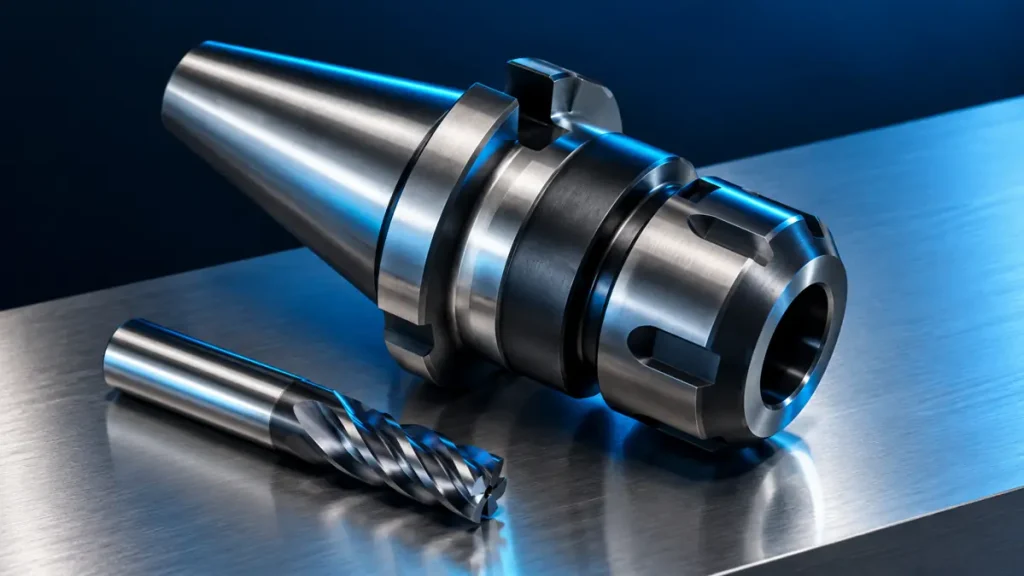
- Check the machine-tool interface: confirm the full tool code, geometry, size, nose radius, grade or coating and holder against the exact manufacturer datasheet. For rotary tools, include the spindle interface, collet, overhang and runout where relevant.
- Set a measurable trial: compare tool life, part quality, cycle time and cost per accepted part with the current baseline. Change one variable at a time so the result remains interpretable.
- Confirm commercial terms separately: review model, origin, documents, quantity, price, lead time and delivery in the quotation or written agreement for that order. Technical guidance alone does not confirm stock or guarantee performance on every machine.
If a tool wears out early, record the wear pattern before changing it: sudden fracture, edge chipping, flank wear, dimensional drift and surface-finish changes can point to different causes. Check the actual workpiece material, hardness condition, coolant practice and approved cutting data against the manufacturer’s documentation. This turns CNC tooling advice into a controlled comparison instead of a blind grade change.
When the exact code is unknown, a clear package label, measured dimensions and a photo of the holder can help start the review. Images do not replace a drawing, material specification or manufacturer confirmation. Keep uncertain details marked for verification. Anoush ZAM can identify which items and questions are reviewable from the information supplied; process trials and parameter approval remain with the customer’s technical owner.
A standard for cutting-tool data
ISO 13399-1 describes principles for representing and exchanging cutting-tool data. It is a reference for consistent terminology and data fields, not a substitute for a manufacturer catalog or process recommendation. Confirm each property against the datasheet for the exact model. A clear record makes CNC tooling advice more useful by showing which information is available, what still needs checking and who approves the final decision.
A decision record for CNC tooling
To select CNC tooling for real production, use a short record that connects the workpiece, operation and tool. Put drawing information in the first column, machine constraints in the second, and the tool code plus its source document in the third. Mark unknowns as “to be confirmed” so assumptions do not quietly enter a quotation.
| Topic | Information to record | Evidence or owner |
|---|---|---|
| Workpiece | Material, heat-treatment condition, critical dimensions and tolerance | Approved drawing and process engineer |
| Machine and holder | Machine model, interface, holder and overhang | Machine manual and shop measurement |
| Proposed tool | Full code, geometry, grade and cutting direction | Exact maker and model datasheet |
| Trial outcome | Tool life, part size, surface finish and cycle time | Production sample and quality report |
| Supply terms | Quantity, origin, documents, price and stated lead time | Written quotation or order confirmation |
When comparing options, purchase price per cutting edge is not enough. Where data is available, record accepted parts, changeover time, scrap and related downtime as well. Cost per accepted part is more useful, provided the measurements come from comparable conditions. If a new tool performs differently, check whether the machine, fixture, coolant practice or workpiece also changed; simultaneous changes make the result difficult to interpret.
The first enquiry does not need every factory document. A tool name or code, operation, material, machine model, quantity and delivery city are usually enough to begin. Share additional documents only when needed and subject to your confidentiality rules. This record helps a shop gather actionable CNC tooling information and helps a sourcing team distinguish quote-ready items from those needing further technical review.
Frequently asked questions
Can I request a recommendation with only a product photo?
A photo may help identify markings, but model code, dimensions, holder and application are needed to check compatibility.
Does a supplier quote guarantee the tool will work on every machine?
No. A quote confirms the stated item and terms. Application approval depends on the actual machine, setup, material and process conditions.
What should I attach to an enquiry?
Attach the full code, a clear photo, material and operation details, machine or holder model, quantity and required delivery date.
This guide is general information. Use current manufacturer documentation and approval from the responsible process owner for final tool selection and operating parameters.
Prepare actionable details before ordering CNC tooling
Create a short specification sheet before turning a technical review into a comparable RFQ. Record the drawing revision, workpiece material and known hardness, main operation, machine condition and workholding method. For each CNC tool, add the complete manufacturer code, geometry or diameter, quantity, compatible holder and approximate consumption. Mark unknown details for confirmation instead of hiding assumptions in the order request.
Compare quotations on the same scope and units. Price is only one factor: separately record evidence available for authenticity, stated lead time, written performance-warranty terms, replenishment options and technical support. Before replacing a CNC tool, obtain the process owner’s approval and plan a limited trial. Do not infer cutting parameters from a product name; use current manufacturer documentation and the actual machine setup.
Supplier quotation checklist
- Brand and full code match the requested specification.
- Quantity, unit, declared origin, available documents and warranty scope are clear.
- Estimated lead time is distinguished from confirmed stock.
- Each technical substitute is explained with differences and any required trial.
- Receiving inspection and shop-floor approval owners are named.
For a multi-item CNC tooling request, split the RFQ into line items so urgent, substitutable and technically uncertain items can be followed independently. This keeps one unclear line from holding up the whole enquiry. Start with a clear code or photo, quantity, application and delivery city; share confidential drawing details only when necessary and through an agreed channel.
Use this guide for initial understanding and comparison. For operating limits, safety and exact settings, follow the manual and datasheet for the specific tool model and your workplace procedures.