Production disruption planning is more reliable when the team identifies the exact item, effect of the shortage, approved alternatives and decision owner before a line stops.
Stabilize and document the issue
Record the affected operation, machine, part and current tool code. Follow the site's safety and quality procedures first. Estimate the effect on scheduled orders, but avoid promising a recovery time before stock and delivery are confirmed.
Build a useful urgent enquiry
Send the full code, photos of markings and package, quantity, required date, ship-to location, machine or holder and material. Ask the supplier to state stock location, quantity available, dispatch conditions and the validity of the quote in writing.
Do not substitute on appearance alone
Check dimensions, geometry, grade, interface and application data with the process owner. A substitute may need a controlled test and updated cutting data. Keep the original process settings only when the maker and responsible engineer approve.
Reduce repeat disruption
Use consumption and lead-time records to classify critical items, agree reorder points, maintain approved codes and document a second-source process. Review the plan after each shortage and record what caused it.
How a supplier can help
Anoush Zam can review a specific sourcing enquiry and clarify confirmed supply terms. Its commercial history is about two and a half years; the team draws on around forty years of machining experience. Actual stock, lead time, origin documentation and warranties must be confirmed for each order.
An emergency-sourcing readiness checklist
Production line disruption management works better when a team already knows who gathers information, who approves a technical alternative and who can authorize an order. Keep a short list for bottleneck items and update it after process or supplier changes. A part code alone is not enough; record the machine, point of use and acceptance criteria too.
| Record | Question to answer | Owner |
|---|---|---|
| Impact | Which order or production step is affected, and when will the impact appear? | Production planning |
| Item identity | What is the full code, maker, model, dimensions and package label? | Stores and engineering |
| Usable stock | Where is usable stock and how many shifts can it cover? | Stores |
| Approved alternative | Was it previously tested, or does it need a new technical review? | Process engineer |
| Purchase condition | Who confirms quantity, budget, delivery address and order authority? | Purchasing and management |
Separate the impact of a stoppage from the urgency of a purchase. If an alternative may work but still needs a trial, label it “under review,” not “approved.” Do not use an option that could create a safety risk, damage a machine or produce nonconforming parts until the technical owner has reviewed it. This distinction is a practical part of production line disruption management; time pressure should not blur the approval status.
Three coordination windows
- At detection: record time, location, machine, order, last accepted part, tool code, stock and decision owner. Assign one coordinator so multiple conflicting requests do not reach suppliers.
- During sourcing review: ask about indicative timing, quantity, exact brand and model, origin and available documents. Treat a verbal estimate as provisional; confirm usable terms in a written quotation or confirmation.
- After restart: record the cause, downtime, actual consumption, difference between quoted and actual timing, and whether a minimum stock or alternate source is needed. Feed the result back into readiness planning.
For critical items, track simple measures such as an approved minimum stock, recorded lead time, number of viable sources, response time and date of the last alternative-tool trial. Set targets from that line’s usage and risk; one stock threshold will not suit every tool. A production line disruption management plan is practical only when each data set has an owner and a review date.
Anoush ZAM can review the supplied specification to identify items for sourcing and state the conditions checked for that enquiry. Lead time, stock and compatibility are confirmed only for the specific model and order. If the issue requires machine troubleshooting, a process change, an unapproved substitute or a safety decision, the customer’s technical owner must approve the action; a supplier cannot guarantee the production outcome alone.
Business continuity reference
ISO 22301:2019 specifies requirements for a business continuity management system. A manufacturer may use the standard as a reference when organizing impact analysis, responsibilities, response scenarios and post-incident review. Reading the standard page does not mean that a company has implemented or is certified to it. Production line disruption management must fit the organization’s risk, customer commitments, real capabilities and applicable workplace rules.
Prioritize bottleneck items with shop-floor data
Do not treat every stock item as equally critical. Build a simple matrix with two axes: impact on production if the item is missing, and sourcing time or difficulty. Items that can cause costly downtime and have no tested alternative deserve management review; frequently used but replaceable items may need a different monitoring method. Set a minimum level from usage, supply variation and storage space rather than applying one fixed number to every item.
Basic monthly data can improve the decision: stockout frequency, actual consumption, difference between quoted and actual lead time, recorded downtime cost, failure rate and number of approved alternatives. If this information is unavailable, first record a baseline period and separate measured facts from estimates. This helps production line disruption management move from isolated memories to a reviewable decision.
- Assign an owner to each technical code and storage location.
- For critical items, keep a package-label photo, machine model and technical acceptance criteria.
- Label alternatives as approved, under trial or unapproved.
- Set emergency-purchase authority, budget limit and delivery address in advance.
- After each stop, record the cause and the gap between plan and result, then review the list.
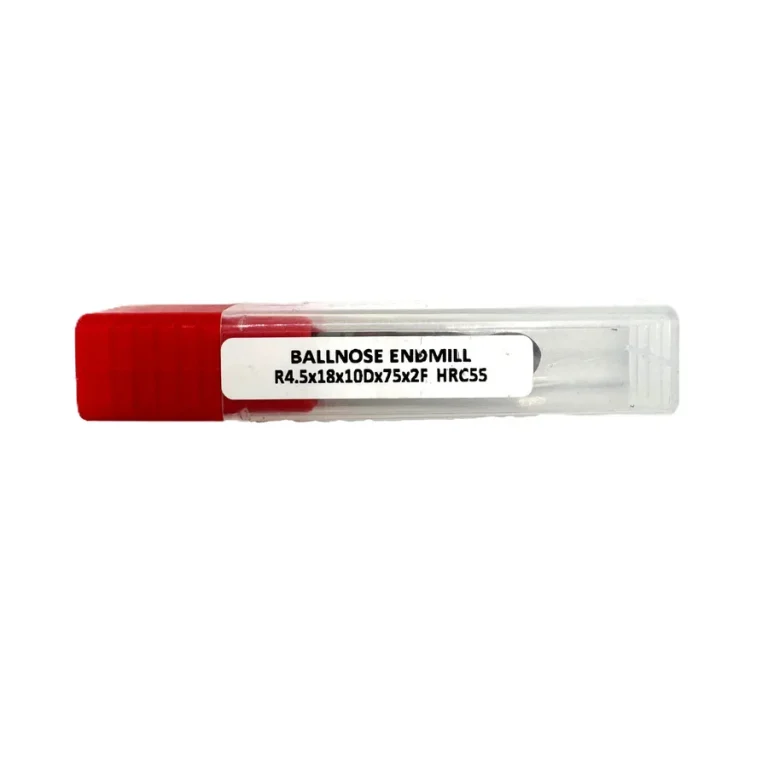
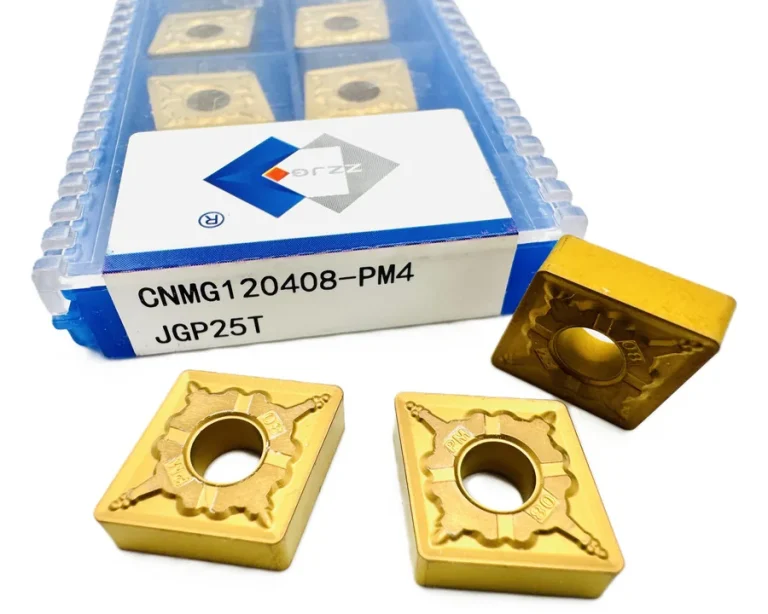
If the stoppage involves CNC tooling, share the full code and a clear photo of the marking; similar appearance does not prove compatibility. Catalog examples such as an end mill or insert are only reviewable when geometry, grade, size and application fit the machine and workpiece. Apply the same method to other stoppages using the item’s own specification. Connecting the real problem to an exact order description makes production line disruption management more actionable.
For an emergency purchase, retain the latest technical approval with the order. On receipt, compare the code, quantity and available documents with the request, then record incoming inspection. Do not use an alternative in the process until the technical owner confirms acceptance criteria. After the line stabilizes, write a short review of the cause, temporary response, cost and next preventive action.
From stoppage to prevention: review after the event
After production resumes, do not close the record with “the line is running again.” Hold a short review with production, maintenance, stores and purchasing: what triggered the stop, what was the underlying cause, which decision shortened or extended downtime, and what information was missing? Assign an owner and due date to every follow-up action. This part of production line disruption management helps prevent a similar issue from recurring.
Define a completion signal for each action: record an approved alternative code, adjust a reorder point, obtain a written lead-time estimate, stage a spare for a critical machine or train a backup contact. Separate an investment or process-change proposal from an emergency purchase so a temporary response does not become a permanent change without review. Make clear which actions are suggestions and which management has approved.
Review bottleneck items on a schedule and after a tool or machine change, supplier change, volume increase, repeated shortage or major stoppage. Update lead-time records from actual experience and keep the source of each figure. If a supplier has not confirmed a date, record the timing as an estimate. In production line disruption management, distinguishing a quoted date, an estimate and actual delivery improves the next decision.
For an enquiry, an organizational contact and decision-maker role are usually enough; do not send confidential production files, passwords or unrelated personal data. A clear model, code, quantity, application and target timing help a supplier respond more precisely. If the issue is urgent, state the urgency and production impact plainly, but do not treat that as a stock or delivery guarantee; firm terms are confirmed only after order review. Production line disruption management requires coordination across teams, and a supplier is only one part of that response.
Frequently asked questions
Can a supplier guarantee same-day supply?
Only a written confirmation for the exact item and destination can establish dispatch terms; delivery still depends on the agreed carrier and conditions.
Can I use a similar tool while waiting?
Do not assume equivalence. Have the process owner verify code, dimensions, grade, holder and operating data before use.
What should a contingency plan contain?
Critical item codes, approved alternatives, supplier contacts, minimum stock triggers, acceptance checks and escalation roles.
This is a planning guide, not an emergency or safety instruction. Follow site procedures and obtain approval from the responsible production and quality teams.
Improve the emergency supply plan
After stabilizing the immediate situation, maintain a list for critical items: full code and reference photo, point of use, consumption rate, normal lead time, usable stock, approved suppliers and last verification date. Set safety stock using your own consumption and lead-time data rather than one fixed quantity for every item. Have the technical owner approve substitutes in advance.
Assign an action owner and escalation threshold to each risk. For example, define who follows up when stock falls below an agreed level and when the issue reaches the production manager. During a production-line disruption, label status clearly as “confirmed,” “awaiting reply” or “technical decision required” so estimates and verbal promises are not mistaken for confirmed facts.
After recovery, hold a short review: what revealed the shortage, which data arrived late, what was the actual supply lead time and which simple control could reduce recurrence? Each corrective action needs an owner, due date and follow-up review. This learning loop turns production-line crisis management from one-off reaction into measurable preparedness.
Use this guide for initial understanding and comparison. For operating limits, safety and exact settings, follow the manual and datasheet for the specific tool model and your workplace procedures.