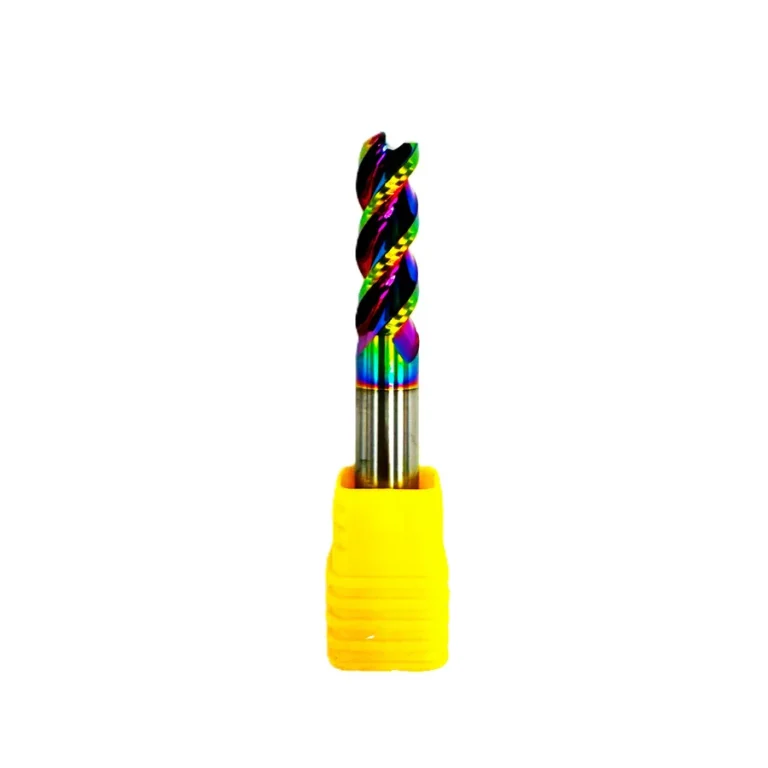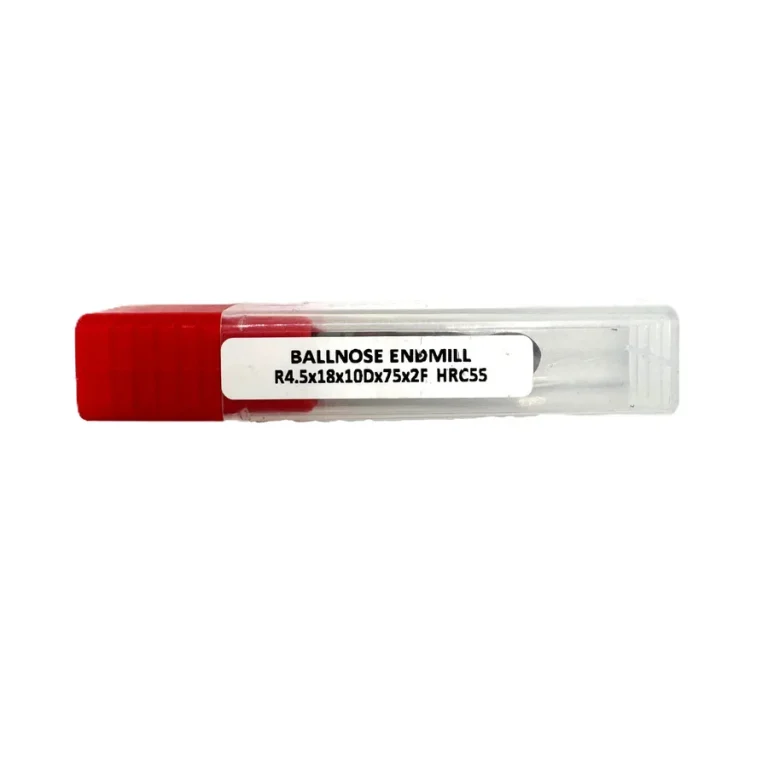

Aluminum end mill selection depends on the actual alloy and condition, operation, flute engagement and machine capability. The word “aluminum” alone does not determine a tool or cutting parameters; use the exact model code and maker data.
Identify material and operation
Record the alloy, hardness or heat-treated condition from the drawing or material certificate. Clarify whether the job is slotting, pocketing, profiling, shoulder milling or finishing. These operations create different engagement and chip-flow conditions.
Match cutting and shank diameter, cutting length and overall length to the feature, holder and available clearance. Use the manufacturer’s range and confirm missing details from the exact product datasheet rather than inferring them from a family name.
Match geometry and flute count
Flute count affects chip space and load per tooth; a higher count is not automatically better. Deep slots and difficult chip exit differ from a light finishing pass. Confirm substrate, edge preparation and coating for the exact model code. Similar suffixes across brands do not prove equivalent specifications.
If chips adhere to the edge, check chip evacuation, lubrication, runout, engagement and the actual machine settings before blaming one feature of the tool.
Plan chip evacuation
Recut chips can mark a surface and change the cutting load. Check the entry and exit path, pocket clearance, coolant or air supply, and the machine maker’s safety guidance. Select a path that permits chip removal; use the tool maker’s recommendations for the actual model.
Change one parameter at a time and record sound, chip shape, spindle load, surface result and edge condition. Changing several factors together makes troubleshooting unreliable.
Check runout and overhang
Match the shank to the holder, clean the seating surfaces and use only the overhang required. Check runout, workholding and spindle condition. If finish or sound is unstable, inspect rigidity before increasing speed.
Anoush ZAM catalog and sourcing
The Anoush ZAM catalog includes examples such as an AZ HRC55 end mill listed for aluminum. The listing supports initial matching only; stock, origin, coating, authenticity and datasheet must be confirmed for the exact order. The company reports 40 years of machining and technical consulting experience and 2.5 years in sourcing and trade.
Browse the CNC end mill catalog or send an enquiry with the alloy, drawing, holder and required quantity.
Related catalog examples
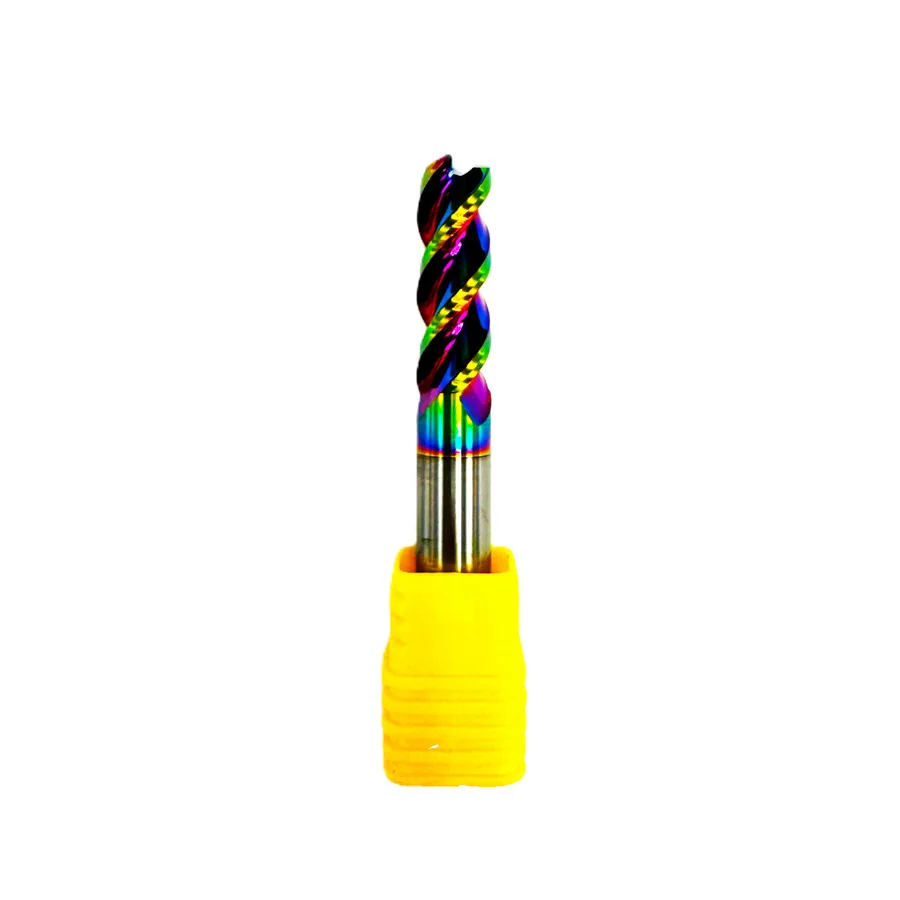
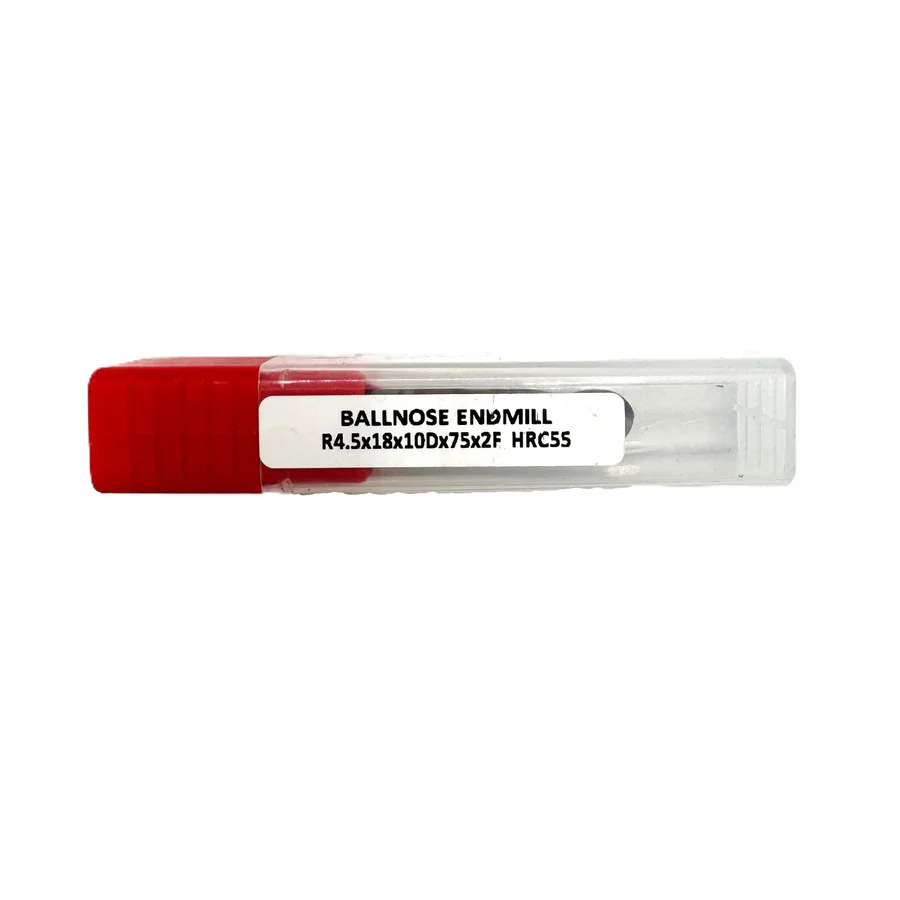
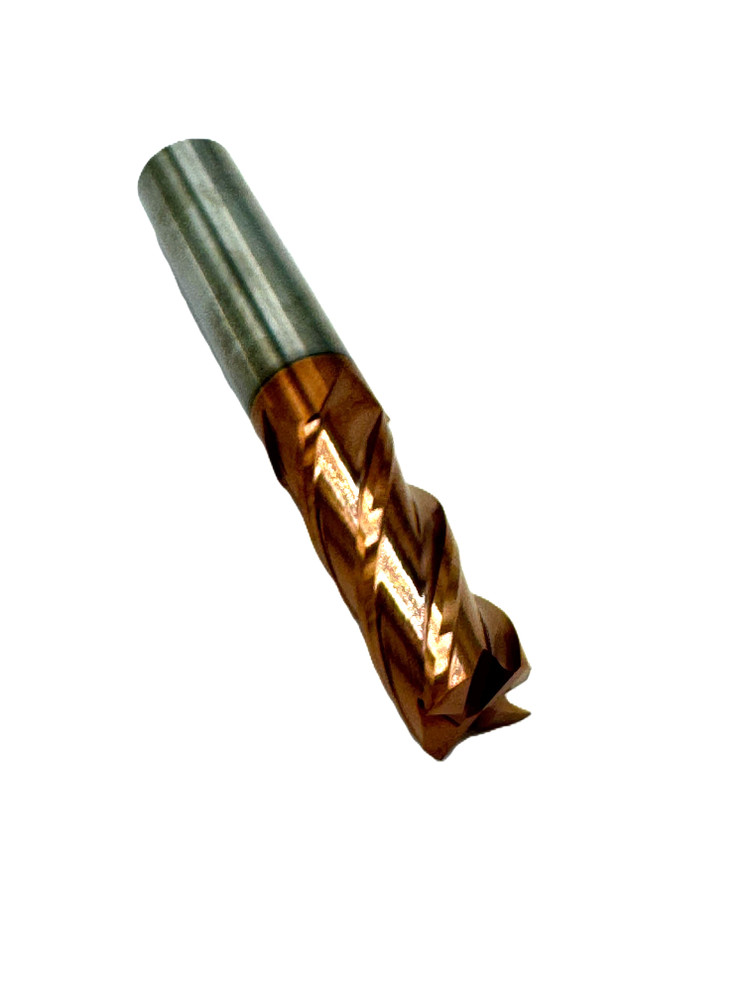
Images illustrate catalog listings. Confirm exact code, fit and availability for your order.
FAQs
Does flute count alone identify the right tool?
No. Consider chip space, engagement, material, toolpath and the maker’s data together.
What information helps with sourcing?
Share the model code, alloy, operation, feature dimensions, holder, depth and a drawing or label photo if available.
Technical references
This guide is general information, not a replacement for the tool datasheet, drawing, approved CNC program or workshop safety procedures.
Record a controlled end-mill trial
Select a representative feature and define acceptance criteria before cutting. For an aluminum end mill, cycle time alone does not describe the result: record edge condition, burrs and surface finish using the same inspection method. Log the tool and holder codes, overhang, alloy condition, toolpath and coolant setup so another operator can repeat the test.
If you are sourcing a replacement, compare the complete code, cutting and shank diameters, flute count and lengths with the existing tool. A similar title does not establish equivalence. Include a label photo, drawing and workpiece material with your enquiry for a more precise review.
Use this guide for initial understanding and comparison. For operating limits, safety and exact settings, follow the manual and datasheet for the specific tool model and your workplace procedures.